
10 Steps for Cleaning Riding Gloves
In typical Indian weather, riding gloves are one of the most abused pieces of riding gear. Learn to care for them properly and they will return the favour with years of service.
Riding gloves are generally one of two types: leather or mesh (textile). Each needs a different cleaning approach, and using the wrong one is how gloves end up stiff, cracked or smelling worse than before you washed them. You can read our detailed guide on choosing the right riding gloves if you're still deciding what to buy.
While cleaning mesh gloves is fairly straightforward, leather gloves need more care. So the question most riders have is this.
How Do You Know Your Riding Gloves Need Cleaning?
All leather gloves suffer from exposure to sweat. Salt from your sweat gets absorbed and hardens the leather until it eventually breaks. But how do you actually know your gloves are dirty enough to need a wash? Here are the signs.
- After finishing your ride, remove your gloves and pay attention to your hands. If they smell, your gloves need a wash.
- After a long ride, say three to four hours, when you remove your gloves and wash your hands, any black, muddy or dirty residue coming off is a clear sign your gloves need washing.
In this guide, we cover a full step by step process for cleaning both leather and textile gloves, along with drying, conditioning, odour control and storage, so your gloves keep performing for years rather than months.
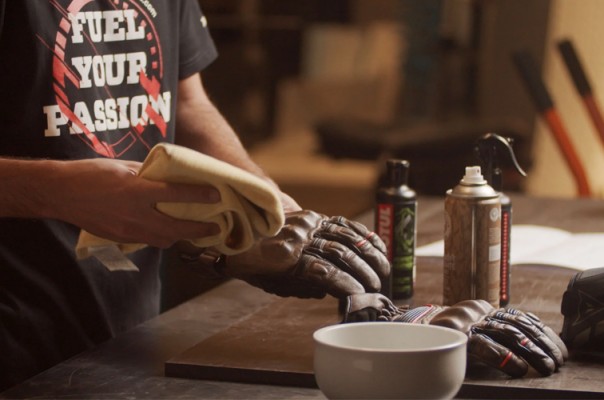
What You Need for Cleaning Your Gloves
- Lukewarm water
- Mild detergent or a leather cleanser
- A soft bristle brush, the kind used for cleaning clothes
- A dry bath towel or microfibre cloth
10 Steps for Cleaning Leather Riding Gloves
Hand wash is preferred for cleaning leather riding gloves.
- Clean the gloves in lukewarm water using a mild soap or leather cleanser. Do not use fabric softener, bleach or a strong detergent.
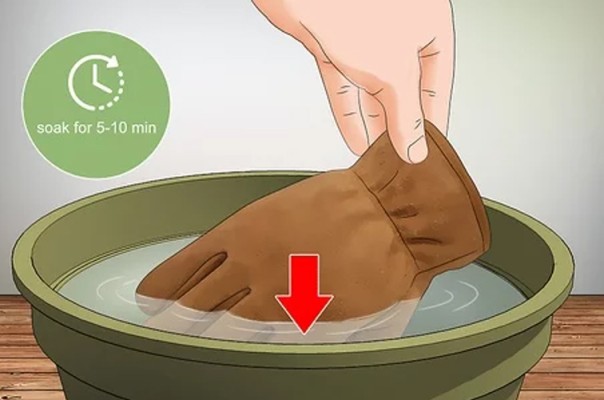
- Let the gloves soak for 10 minutes in the water and detergent mixture.
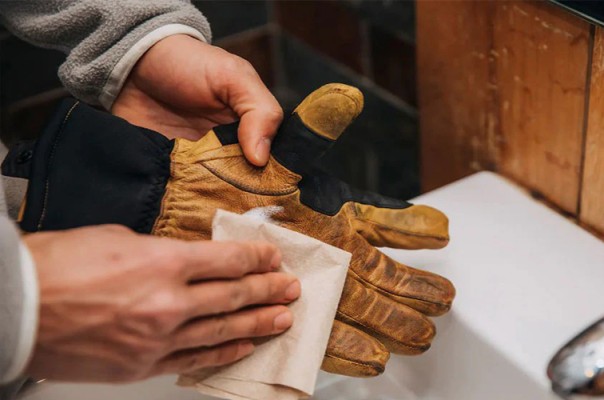
- Gently clean the affected area with a bristle brush used for clothes, or preferably by hand.
- Keep changing the water and cleaning gently until the gloves look clean and there is no trace of detergent left in the water.
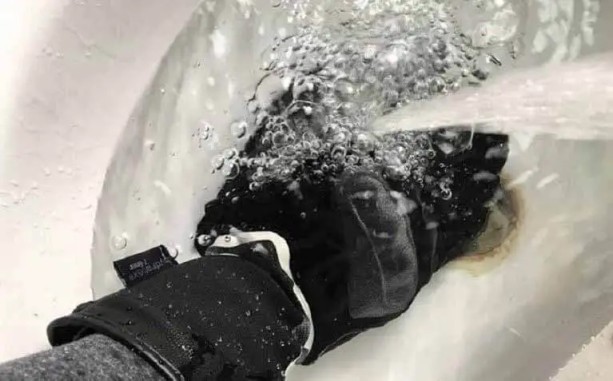
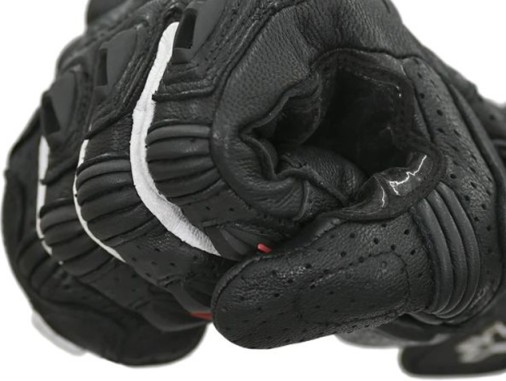
- Put the gloves on while they are still wet and clench your fist to mould them back into shape.
- Wrap the gloves in a dry cloth and squeeze gently. Repeat this with fresh dry cloth until the gloves are fairly dry.
- Do not leave the gloves wrapped in wet cloth. It leads to fungus growth.
- Air dry the gloves until completely dry. No direct sunlight, no hair dryer.
- Put the dry gloves on and knead them to soften them up. Clench your fist a couple of times to bring them back to their original shape.
- Use a leather conditioner for better durability and shine. More on this below.
How to Clean Textile and Mesh Riding Gloves
Textile and mesh gloves are far more forgiving than leather, since the material is built to handle water and detergent without drying out or losing shape.
- Shake off any loose dirt or dust before you start.
- Hand wash in lukewarm water using a mild detergent. Avoid harsh soaps if your gloves have a waterproof or water resistant coating, since strong detergent can strip it.
- Use a soft brush on stubborn dirt, particularly around the palm and knuckle area.
- Rinse thoroughly until the water runs clear, without wringing or twisting the gloves, since that can damage stitching and internal padding.
- Air dry away from direct heat, following the same drying steps as leather gloves below.
If you prefer to machine wash textile gloves, it is generally safe as long as you take a few precautions.
- Close all velcro tabs first, so they do not catch on the fabric or on other items in the wash.
- Use a delicate or gentle cycle at a low temperature, ideally around 30°C. Higher heat can damage the shell and any bonded seams.
- Place the gloves in a mesh laundry bag and avoid washing them with the rest of your riding gear, so any leather trim or velcro on other pieces does not stain or snag them.
- Do not tumble dry or spin dry. Follow the air drying steps below instead.
Leather gloves should not go into a washing machine under any circumstances. The steps above are for textile and mesh gloves only.
Cleaning Gloves with a Waterproof Membrane
If your motorcycle gloves use a breathable waterproof membrane like Gore-Tex or something similar, they need a slightly different process from washing normal riding gloves. Gloves using these membranes need their waterproofing recharged in or after each wash.
- Carry out all the cleaning steps above for either leather or textile, depending on the glove's outer material. Simply add Nikwax or a similar reproofing product to the water while washing.
- Use the spray-on version of Nikwax or a similar product after washing, once the gloves are dry.
Avoid touching Nikwax or similar products with bare hands.
Removing Odour from Riding Gloves
Even with regular washing, gloves can hold onto smell simply from repeated sweat exposure. A few methods work well between full washes.
- Baking soda: Sprinkle a small amount inside each glove and let it sit for a few hours before shaking it out. It absorbs odour without needing water.
- Diluted white vinegar: Wipe the inside lightly with a solution of one part vinegar to three parts water. This works as a natural deodoriser and needs very little product.
- Antibacterial sports gear spray: A glove safe sanitising spray, the same kind used for helmet interiors, stops odour causing bacteria before it builds up.
- Tea bags or charcoal packs: Slip one into each glove overnight to absorb moisture and smell at the same time.
Never turn a glove fully inside out to clean the interior. On gloves with knuckle protectors or moulded padding, this can damage or permanently deform the structure.
Conditioning Leather Gloves
Washing removes dirt, but it also strips some of the leather's natural oils. Conditioning puts that back, and skipping this step is the single biggest reason leather gloves crack early.
- Use only a pea sized amount of leather conditioner per glove. More is not better, and too much can leave the palm feeling greasy and reduce your grip on the controls.
- Rub it in gently with a cloth or your fingers, working it evenly across the leather rather than pooling it in one spot.
- Let it absorb overnight before wearing the gloves again.
- Buff lightly with a dry cloth before your next ride.
How often you condition depends on how much you ride. Daily riders should condition roughly every three to four weeks. Occasional riders can stretch this to every two to three months. If you ride through the monsoon regularly, condition more often, since repeated wetting and drying is what dries leather out fastest.
Leather vs Textile Gloves: Quick Cleaning Reference
| Leather Gloves | Textile / Mesh Gloves | |
| Hand wash | Yes, preferred method | Yes, works well |
| Machine wash | Never | Yes, on delicate cycle in a mesh bag |
| Soaking | Short soak only, 10 minutes | Safe to rinse thoroughly |
| Conditioning needed | Yes, regularly | Not applicable |
| Drying method | Air dry only, reshape while damp | Air dry only |
Storing Riding Gloves Properly
How you store gloves between rides matters almost as much as how you clean them.
- Let your gloves breathe and dry out fully after every ride before putting them away. Do not store them in a closed container, jacket pocket, helmet or tank bag while still damp, since that is exactly the environment fungus needs to grow.
- Store them in a cool, dry place away from direct sunlight, since prolonged heat and light can fade colour and dry out leather.
- Lay them flat or hang them rather than folding them tightly, so they hold their shape.
- If you ride daily, consider rotating between two pairs. This gives each pair a full day to dry out completely between rides, which noticeably extends how long leather gloves last.
Signs It's Time to Replace Your Gloves
Even with good care, gloves do not last forever. Watch for these signs that a pair is due for replacement rather than another clean.
- Cracked or visibly hardened leather that does not soften even after conditioning.
- Worn through padding at the palm or knuckle protectors that have shifted out of place.
- Velcro or closures that no longer hold securely.
- Stitching that has come loose at the seams, particularly around the fingers.
Any of these reduce how well the gloves protect your hands in a fall, so treat them as a cue to shop for a new pair rather than pushing a worn one further. You can browse our full range on the riding gloves category page, filtered by type, brand and price.
Tips for Longer Lasting Riding Gloves
- During rainy weather, for quicker drying, stuff newspaper inside the gloves and keep changing it frequently until the insides are dry. You can also wrap the outside in newspaper to soak up surface water.
- Lower quality leather can bleed colour while washing, so keep that in mind before you start.
- Drying gloves in direct, strong sunlight can cause colour fading over time.
- After every ride, let your gloves breathe and dry out completely before storing them away.
Take proper care of your riding gear and it will serve you for a long, long time.
FAQs
Q: Can you wash motorcycle gloves?
A: Yes. Leather gloves should be hand washed using lukewarm water and a mild soap or leather cleanser, never machine washed. Textile and mesh gloves can be hand washed or machine washed on a delicate cycle inside a mesh laundry bag.
Q: Can leather gloves be washed?
A: Yes, but carefully. Use lukewarm water with a mild soap or leather cleanser, soak for around 10 minutes, then clean gently by hand or with a soft brush. Avoid bleach, fabric softener or strong detergent, and always air dry rather than using heat.
Q: How do you clean sweaty leather gloves?
A: Wash them using the 10 step process above, then focus on odour control once they are dry. Sprinkling baking soda inside overnight, or wiping the interior with a diluted vinegar solution, both help remove the smell that sweat and salt leave behind.
Q: How often should you clean riding gloves?
A: There is no fixed schedule. Clean them whenever your hands smell after a ride, or when you notice dirt or dark residue after removing them. Riders who commute daily or ride through the monsoon will need to clean and condition more often than occasional weekend riders.
Q: Can you machine wash riding gloves?
A: Textile and mesh gloves can go in the washing machine on a delicate cycle at a low temperature, ideally inside a mesh laundry bag with the velcro closed. Leather gloves should never be machine washed, since the agitation and heat can crack and warp the material.
Q: How do you get the smell out of motorcycle gloves?
A: Baking soda, a diluted white vinegar wipe, an antibacterial gear spray, or a tea bag or charcoal pack left inside overnight all help remove odour between full washes. Making sure gloves are completely dry before storing them prevents most odour from building up in the first place.
Let's have a look at few of the products we offer:



Be the first to learn about our latest trends and get exclusive offers